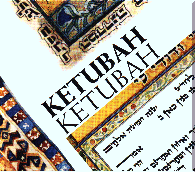
The Ketuba is reviewed by the officiating Rabbi and signed by the groom and has the standing of a legally binding agreement, that in many countries is enforceable by secular law before the wedding ceremony. In most cases, two witnesses sign the document. At the reception, the ketuba can be put on view for guests and family.. The ketuvah is often written as an illuminated manuscript, and becomes a work of art in itself, and many couples frame it and display it in their home.
At the reception itself, the first thing usually done is the completion, signing and witnessing of the ketuvah, or marriage contract. This contract is ordained by Mishnaic law (circa 170 CE) and according to some authorities dates back to Biblical times. The ketuvah, written in Aramaic, details the husband’s obligations to his wife: food, clothing, dwelling and pleasure. It also creates a lien on all his property to pay her a sum of money and support should he divorce her, or predecease her.